How Cortisol Monitoring Reveals Hidden Stress in Cats: Blood, Saliva, Urine, and Hair Testing
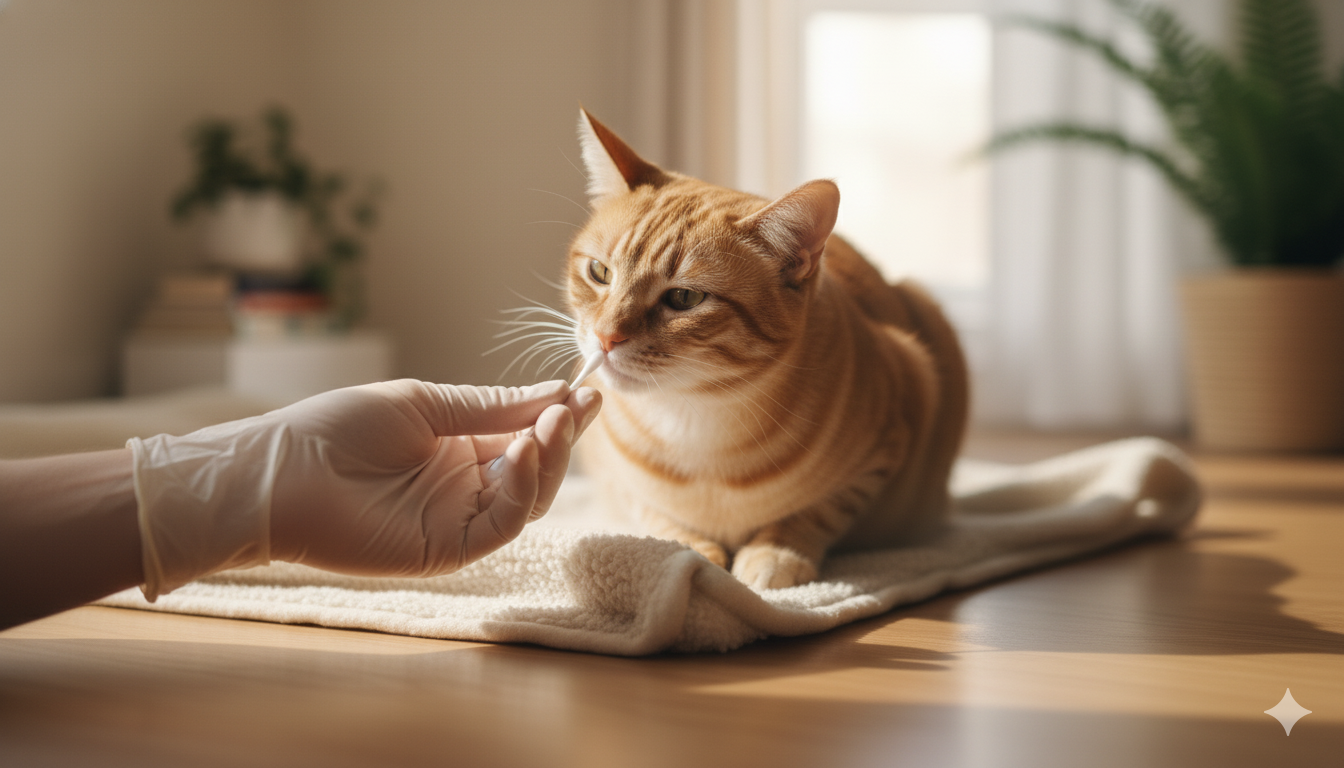
Feline stress is a serious veterinary health issue. Chronic stress is linked to Feline Idiopathic Cystitis (FIC), anorexia, alopecia, and upper respiratory infections. FIC accounts for 50–70% of cats presenting with lower urinary tract disease signs. Objective physiological biomarkers are essential for stress measurement, with cortisol being the primary indicator. Different sample matrices measure stress over different timeframes: blood cortisol reflects stress within minutes, saliva within minutes to an hour, fecal cortisol metabolites (FCM) over 12–24 hours, and hair cortisol over weeks to months. A meta-analysis of 30 studies found fecal glucocorticoid metabolites (FGCM) were the most commonly used matrix (14 of 30 studies).
Research Background
고양이 스트레스 연구는 행동적·생리적 지표를 모두 평가하는 다양한 방법론을 사용한다. 연구에서는 숨기, 식욕 감소, 공격성, 부적절한 배설 등 스트레스 관련 행동을 정량화하는 행동 에토그램을 자주 활용한다. 동시에 코르티솔을 중심으로 한 생리적 스트레스 마커를 혈액, 타액, 소변, 분변, 모발 등 다양한 샘플 매체로 측정한다. ELISA(효소결합면역흡착법)나 RIA(방사면역측정법) 등의 면역분석 기법이 활용된다. 표본 크기는 통제된 생리적 반응 연구에서는 고양이 10~20마리로 소규모인 경우도 있고, 메타분석에서는 수백 마리 이상의 데이터를 종합하기도 한다. 30개 연구를 분석한 체계적 리뷰(PMID: 32675276)가 핵심 레퍼런스다. 한계로는 일주기 리듬, 샘플 채취 방법, 개체 차이에 따른 코르티솔 수준 변동성이 있다.
Key Findings
- 1
Feline Idiopathic Cystitis (FIC) accounts for 50–70% of cats with lower urinary tract disease signs — stress is a major trigger
Source: Cornell Feline Health Center
- 2
Cortisol measurement timeframes by matrix: blood (minutes), saliva (minutes to 1 hour), fecal metabolites (12–24 hours), hair (weeks to months)
Source: International Cat Care (iCatCare)
- 3
Hair cortisol concentration (HCC) significantly higher in sick cats vs healthy controls — standardized mean difference 0.75 (95% CI: 0.44–1.07)
Source: PubMed meta-analysis of 11 studies (PMID: 35193498)
- 4
Urinary cortisol/creatinine ratio increases 2–5 times above baseline during acute stressors — study of 10 healthy cats
Source: PubMed (PMID: 17462002)
- 5
Fecal glucocorticoid metabolites (FGCM) were the most used stress measurement matrix in 30-study meta-analysis — 14 of 30 studies (47%)
Source: PubMed systematic review (PMID: 32675276)
How It Works
The feline stress response is primarily orchestrated by the Hypothalamic-Pituitary-Adrenal (HPA) axis. Upon perceiving a stressor, the hypothalamic paraventricular nucleus releases corticotropin-releasing hormone (CRH), which travels to the anterior pituitary and binds CRH-R1 receptors, stimulating ACTH release. ACTH enters the bloodstream and targets the adrenal cortex, binding melanocortin 2 receptors (MC2R) to trigger cortisol synthesis and secretion. Cortisol mobilizes energy by increasing glucose production, suppresses non-essential functions including the immune system, and modulates cardiovascular function for fight-or-flight response. This process is normally regulated by negative feedback, but chronic stress causes allostatic overload — sustained elevated cortisol leads to immunosuppression, metabolic disturbances, and behavioral changes.
What This Means for Cat Owners
Managing feline stress requires watching for subtle, early behavioral changes. Look for increased hiding, litter box changes (urinating or defecating outside), reduced appetite or overeating, excessive grooming, aggression towards people or other pets, or decreased play. Persistent or sudden behavioral changes warrant a vet visit to rule out underlying medical conditions. At home, provide multiple resources (food, water, litter boxes, resting spots), vertical space, predictable routines, and positive social interaction tailored to your cat's preferences. Consider feline pheromone diffusers if recommended by your vet. During vet visits, describe specific behaviors, duration, and any recent household changes. Ask about enrichment strategies, potential cortisol testing, and whether chronic stress may be contributing to any current medical issues.
Comparison of Cortisol Measurement Matrices
| Matrix | Time Window | Invasiveness | Pros | Cons |
|---|---|---|---|---|
| Blood | Within minutes | High (venipuncture) | Immediate acute stress measurement | Blood draw itself elevates cortisol |
| Saliva | Minutes to 1 hour | Moderate | Relatively non-invasive | Difficult to collect from cats |
| Urine | Several hours | Low | Non-invasive, collectable at home | Dilution correction needed (cortisol:creatinine ratio) |
| Feces (FGCM) | 12–24 hours | None | Non-invasive; used in 14/30 studies (47%) | Delayed reflection; storage conditions critical |
| Hair (HCC) | Weeks to months | None | Long-term chronic stress; SMD 0.75 | Growth rate varies by body region; standardization needed |
Owner Checklist
- ✓Provide adequate resources: litter boxes, food bowls, water bowls (cats + 1 rule)
- ✓Provide vertical space: cat trees, window shelves, elevated resting spots (territory needs)
- ✓Maintain predictable routine: consistent feeding and play times
- ✓Dedicate 10–15 min daily 1:1 play (wand toys, tunnels to stimulate hunting instinct)
- ✓Multi-cat homes: separate hiding spots + resources → minimize territory conflicts
- ✓Consider pheromone diffuser during environmental changes (moving, new family members)
- ✓Consult vet if stress signs persist >2 weeks (rule out organic causes like FIC)
Journal: Cornell Feline Health Center / iCatCare / PubMed (multiple journals)
Year: 2025
Institution: Cornell University College of Veterinary Medicine / International Cat Care / PubMed research institutions