Stomatitis in Cats - Mouth Inflammation, Symptoms & Treatment
Understand severe feline stomatitis and explore treatment options including tooth extraction.
What is Feline Stomatitis?
Feline Chronic Gingivostomatitis (FCGS) is severe inflammation of the mouth, gums, and throat tissues. Unlike simple gingivitis, it's caused by an immune system overreaction to the cat's own teeth. The intense pain often prevents eating and leads to rapid weight loss. Cats with FIV, FeLV, or genetic immune sensitivity are at higher risk.
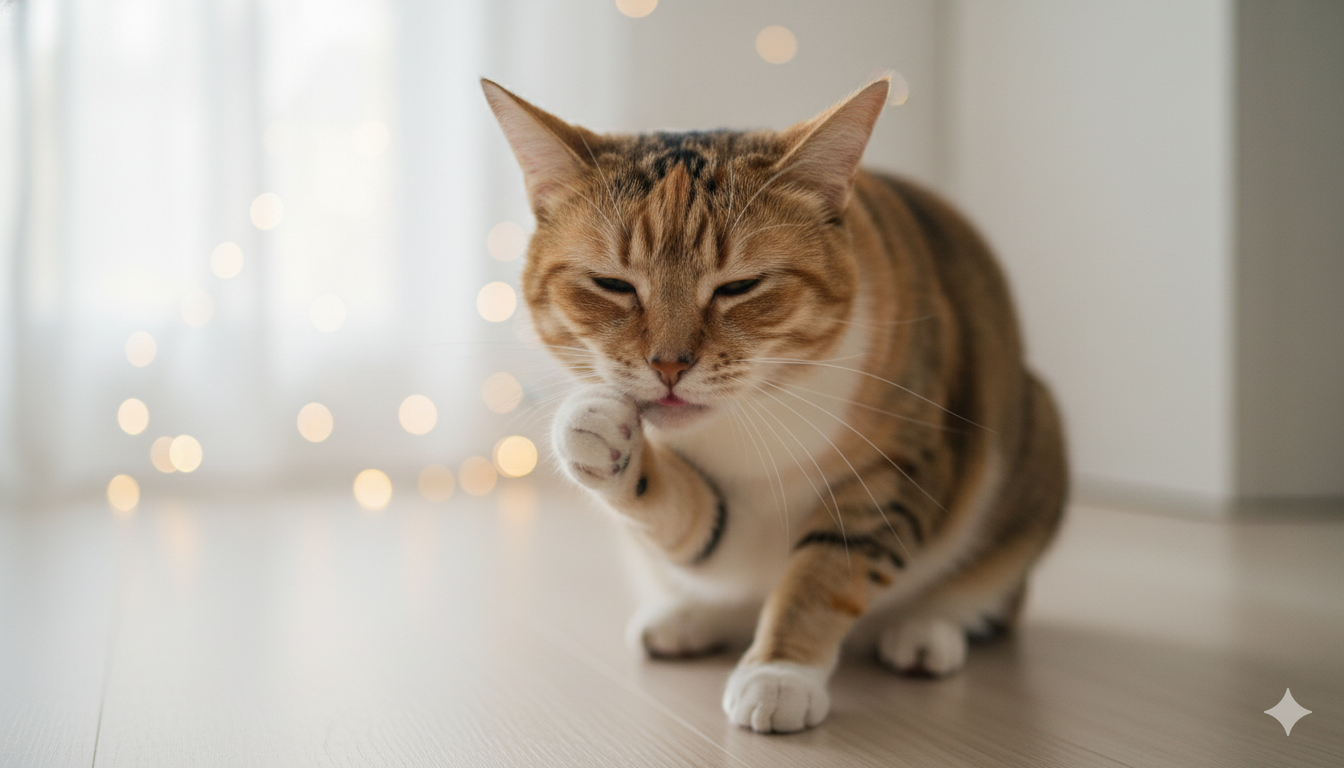
Feline Stomatitis
Causes of Stomatitis
The exact cause isn't fully understood. The leading theory is immune hyperreaction to bacterial antigens on tooth surfaces. Contributing factors include FIV/FeLV infection, poor oral hygiene, genetic predisposition, and chronic viral infections (calicivirus, herpesvirus). It can occur at any age but is more common in middle-aged and older cats.
Symptoms of Stomatitis
- Severe bad breath — far worse than normal
- Hesitating in front of food — hungry but too painful to eat
- Constantly pawing or rubbing at the mouth
- Excessive drooling (sometimes mixed with food)
- Bright red gums or visible ulcers in the mouth
- Rapid weight loss from inability to eat
- Reduced grooming — can't wash painful face
- Teeth chattering
Diagnosis
Diagnosis relies primarily on visual exam and clinical signs. An oral exam under anesthesia determines the extent of lesions. FIV/FeLV blood tests are also performed. Tissue biopsy confirms the diagnosis, and dental X-rays assess inflammation extent and tooth condition.
Treatment Options
- Medical management (temporary): Antibiotics, steroids, meloxicam reduce pain and inflammation — symptom control, not a cure
- Immunomodulators: Cyclosporine, interferon omega — effective in some cats
- Full-mouth extraction: Removes the source of immune reaction by extracting all teeth. >90% of cats show significant improvement. Cats eat dry food just fine without teeth
- Partial extraction: Removes only teeth with severe lesions
Recovery After Full-Mouth Extraction
Most cats show noticeable improvement within 2–4 weeks after full extraction. Offer soft food (canned, pouch) immediately post-surgery. After 1–2 months of gum healing, cats can eat dry food again. Some cats fully recover within 6–12 months. Administer all prescribed post-op pain medications.
Home Oral Health Monitoring
- Weekly gum color check: light pink = normal, bright red = alert
- Watch appetite: hesitating at food or chewing on one side signals oral pain
- Weigh every 2 weeks to catch rapid weight loss early
- Bad breath intensity: sudden worsening may indicate inflammation flare
| Severity | Symptoms | Treatment |
|---|---|---|
| Mild | Gum redness, mild bad breath | Oral rinse, antibiotics |
| Moderate | Pawing at mouth, reduced appetite | Antibiotics, steroids, pain management |
| Severe | Cannot eat, weight loss, excessive drooling | Full-mouth extraction (>90% improvement) |
Sources & References
- Cornell Feline Health Center - Stomatitis Management
Stomatitis is painful; aggressive treatment is needed.