Feline Asthma - Symptoms, Diagnosis & Inhaler Treatment
Understand feline asthma symptoms and explore treatment options including inhalers.
What is Feline Asthma?
Feline asthma is a chronic lower airway disease characterized by airway inflammation. Exposure to allergens or irritants triggers bronchospasm and excess mucus production, making breathing difficult. It affects approximately 1–5% of cats and typically first appears between 1–8 years of age. Siamese and Himalayan breeds show somewhat higher prevalence.
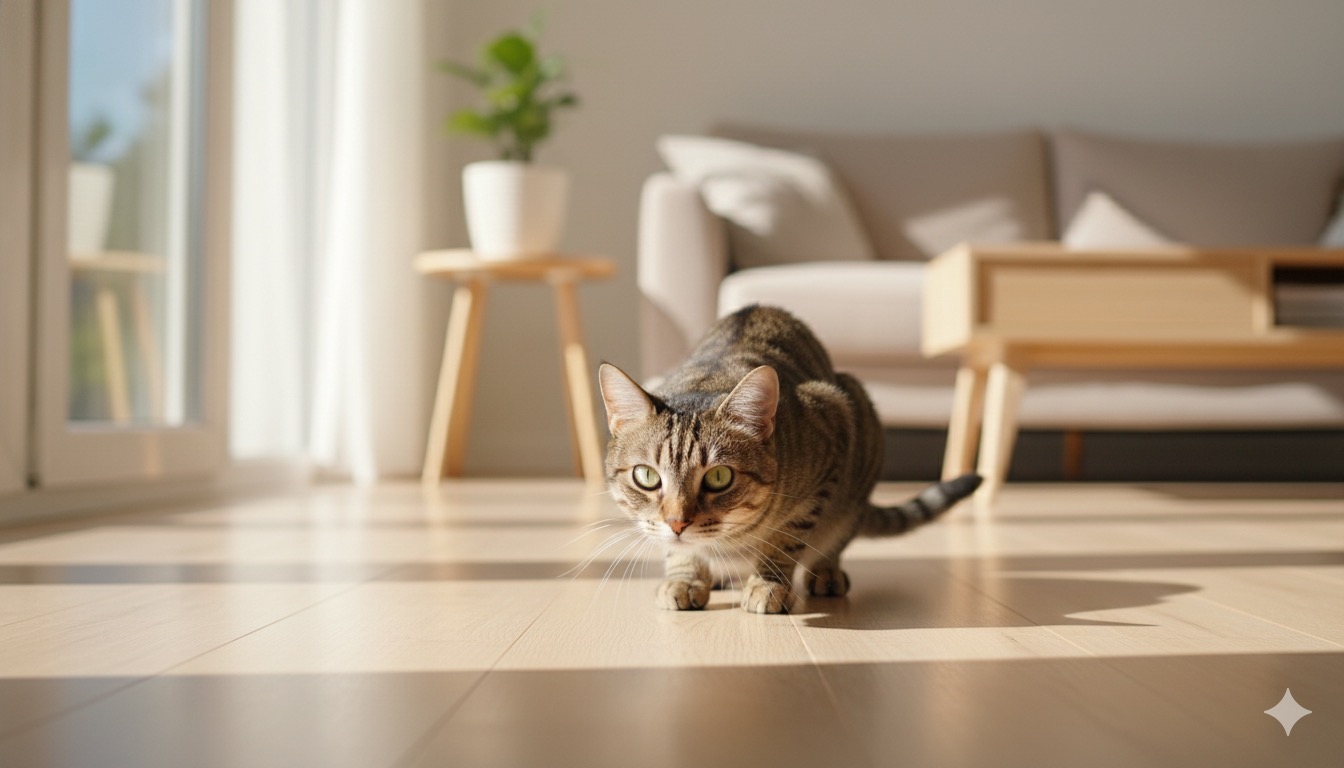
Feline Asthma
Asthma Triggers
- Dust and mites: house dust mites in bedding, carpets, and litter are major allergens
- Cigarette smoke: secondhand smoke significantly worsens feline asthma
- Perfumes, air fresheners, scented candles: volatile chemicals irritate airways
- Litter dust: dusty litter inhaled during use irritates the bronchi
- Spray products: hair spray, cleaning sprays, and similar aerosols
Asthma Symptoms
- Dry cough or retching: crouching to cough without producing vomit — distinguish from hairballs
- Wheezing: narrowed airways produce a whistling sound during breathing
- Abdominal breathing: exaggerated belly movement indicating labored breathing
- Open-mouth breathing: severe asthma attack or emergency sign in cats
- Cyanosis: blue-tinged gums or tongue requires immediate emergency care
Diagnosis
Chest X-rays show hyperinflated lungs and bronchial thickening. Bronchoalveolar lavage (BAL) with elevated eosinophils supports the diagnosis. Differentiation from lungworm, cardiac disease, and pneumonia is important. Allergy testing (blood/skin) may identify specific allergens.
Treatment: Inhalers and Medications
- Inhaled corticosteroids (fluticasone): core maintenance therapy reducing airway inflammation, delivered via feline aerochamber/spacer
- Inhaled bronchodilator (albuterol): used for acute attacks; rapidly relieves bronchospasm
- Oral steroids (prednisolone): used for severe cases or when inhaler administration is not feasible
- Cyclosporine: used as an immunomodulator when steroids are ineffective
Using an Inhaler with Feline Aerochamber
- Attach the inhaler to the aerochamber
- Gently place the mask over the cat's nose and mouth
- Press the inhaler once to release the medication
- Hold the mask in place while the cat takes 7–10 normal breaths
- Practice daily so the cat becomes comfortable with the aerochamber
Environmental Management
- Use low-dust litter: choose low-dust, unscented litter instead of bentonite clumping litter
- Eliminate cigarette smoke entirely: no indoor smoking; even smoke on clothing can be irritating
- Use HEPA air purifier: removes airborne allergens and dust
- Avoid all scented products: strong fragrances irritate airways
| Severity | Symptoms | Frequency | Treatment |
|---|---|---|---|
| Intermittent | Occasional cough/wheeze | Less than once/week | Inhaler (as needed) |
| Mild persistent | Cough, exercise intolerance | 2–3 times/week | Inhaled corticosteroids |
| Moderate | Frequent attacks, breathing difficulty | Daily symptoms | Inhaled + oral combination |
| Severe (emergency) | Open-mouth breathing, cyanosis | Continuous | Immediate emergency care |
Sources & References
- Cornell Feline Health Center - Feline Asthma
- AAFP - Feline Respiratory Disease Guidelines
※ This article is for informational purposes only. Consult a veterinarian for diagnosis and treatment.