Landmark Study Reveals Striking Genetic Parallels Between Feline and Human Cancers
One in three cats will develop cancer in their lifetime, and cancer is a leading cause of death in cats over 10 years old. Comparative oncology research shows that feline tumors share over 90% of the genetic, molecular, and biological features of human cancers. TP53 mutations are found in 58% of feline oral squamous cell carcinomas and 27% of feline mammary carcinomas — comparable to the approximately 50% mutation rate seen in human cancers.
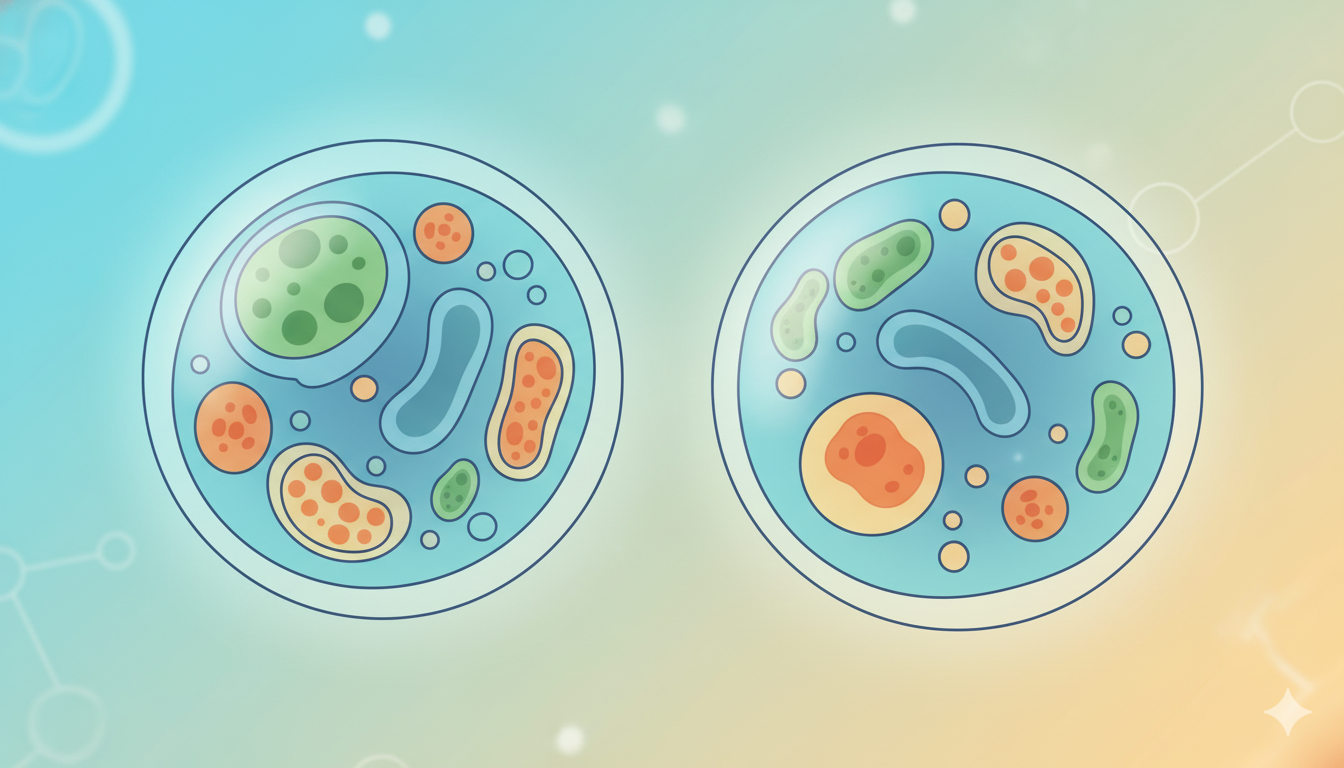
Research Background
고양이와 인간 암의 유전적 유사성 연구는 주로 분자생물학 기법을 활용한다. 유방암, 구강 편평세포암, 림프종 등 다양한 암 유형에서 종양 조직 샘플을 채취한 뒤 Sanger 시퀀싱 또는 차세대 시퀀싱(NGS)으로 TP53, FBXW7 유전자의 특이적 변이를 분석한다. 면역조직화학염색(IHC)으로 종양 세포 내 p53 단백질 발현 수준도 평가한다. 한계로는 연구마다 표본 크기가 다르고, 암 유형의 이질성이 있으며, 포괄적 유전체 시퀀싱 비용이 높다는 점이 있다. PubMed에 수록된 Veterinary Comparative Oncology, Cell 등 권위 있는 저널의 연구들이 비교 분석의 근거를 제공한다.
Key Findings
- 1
Naturally occurring cancers in cats share more than 90% of the genetic, molecular, and biological features of equivalent human cancers
Source: Cell, PubMed (PMID: 26140586)
- 2
TP53 mutations detected in 58% of feline oral squamous cell carcinomas (11/19 cases) — comparable to ~50% mutation rate in human cancers
Source: Veterinary Comparative Oncology, PubMed (PMID: 29380961)
- 3
FBXW7 mutations occur in 6% of all human cancers, 30% of cholangiocarcinoma, and 15% of T-ALL — similar patterns observed in feline tumors
Source: Oncogene, PubMed (PMID: 22886369)
- 4
Abnormal p53 expression in feline mast cell tumors: median survival 210 days vs. >730 days with normal expression
Source: Veterinary Pathology, PubMed (PMID: 18487216)
- 5
Lymphoma is the most common feline cancer at approximately 30% of all reported cases — second leading cause of death in cats over 1 year
Source: Cornell Feline Health Center; International Cat Care (iCatCare)
How It Works
The TP53 gene encodes the p53 protein, a critical transcription factor that responds to cellular stress. When activated, p53 triggers cell cycle arrest at the G1/S checkpoint, activates DNA repair pathways, or initiates apoptosis if damage is irreparable. Loss-of-function TP53 mutations remove this safeguard, allowing damaged cells to proliferate unchecked. FBXW7 is the substrate recognition component of an SCF ubiquitin ligase complex that tags oncoproteins — including Cyclin E, c-Myc, Notch, and Aurora A — for proteasomal degradation. FBXW7 loss-of-function mutations cause these oncoproteins to accumulate, driving uncontrolled proliferation, survival, and drug resistance. Both mechanisms are conserved across feline and human oncogenesis.
What This Means for Cat Owners
The genetic similarities between feline and human cancers underscore the importance of early detection in cats. With one in three cats potentially developing cancer, owners should regularly check for unusual lumps, changes in appetite or weight, lethargy, difficulty swallowing, or changes in bathroom habits. Any suspicious signs warrant an immediate veterinary visit, as early detection significantly improves outcomes. For cats over 10, semi-annual check-ups are recommended. At home, provide a high-quality diet, minimize stress, and reduce exposure to carcinogens like cigarette smoke. During vet visits, ask about genetic testing for TP53 or FBXW7 mutations, available diagnostic options, and whether any clinical trials are relevant for your cat.
TP53 Mutation Rates: Cats vs Humans
| Cancer Type | Cats | Humans | Source |
|---|---|---|---|
| Oral Squamous Cell Carcinoma | 58% (11/19) | ~60% | PMID:29380961 |
| Mammary Carcinoma | 27% (15/55) | ~32% | PMID:30672589 |
| Mast Cell Tumor (abnormal p53) | Yes | Survival 210 vs >730 days | PMID:18487216 |
| All cancers (FBXW7 mutation) | Similar pattern | 6% | PMID:22886369 |
| Cholangiocarcinoma (FBXW7) | - | 30% | PMID:22886369 |
⚠️ Warning Signs
Seek immediate veterinary care if any of the following signs persist for more than 2 weeks or appear suddenly.
- •Palpable lump or swelling (especially breast, neck, abdomen)
- •Unexplained rapid weight loss (>5% in 2 weeks)
- •Persistent decreased appetite or food refusal
- •Difficulty chewing or swallowing (oral cancer concern)
- •Abnormal bleeding or discharge
- •Difficulty breathing or persistent cough
- •Unexplained lethargy or reduced activity
Journal: Cell / Veterinary Comparative Oncology / Veterinary Pathology / Oncogene (PubMed)
Year: 2026
Institution: Cornell Feline Health Center / International Cat Care / AVMA