Feline Urolithiasis - Symptoms, Diagnosis & Treatment
Learn about feline urolithiasis (urinary stones). Symptoms, emergency care, and prevention strategies.
What is Feline Urolithiasis?
Urolithiasis is when mineral stones form in the urinary tract — kidneys, ureters, bladder, or urethra. It's common in cats, and in male cats especially, a blocked urethra becomes life-threatening fast. Stone types include calcium oxalate, struvite, and urate. Once it happens, recurrence is likely, so long-term management matters.
Feline Urolithiasis
Causes and Risk Factors
The causes are complex and often overlapping: low water intake (especially in dry-food-only cats), urine pH imbalance (acidic = calcium oxalate, alkaline = struvite), mineral-heavy diet, kidney issues, obesity, stress, poor litter box access, and genetic factors. Male cats face higher blockage risk because their urethra is narrower.
Symptoms of Urolithiasis
- Frequent urination (frequent litter box visits)
- Painful urination (straining or crying)
- Blood in urine (hematuria)
- Decreased urine output or blockage (emergency)
- Urinating outside the litter box (inappropriate elimination)
- Lethargy
- Loss of appetite
- Abdominal pain (hunched posture)
- Vomiting and lethargy if blocked (emergency)
Emergency: Urinary Obstruction
A complete urethral blockage in a male cat is a genuine emergency. Urine backs up, toxins flood the bloodstream, and within 24–48 hours it can be fatal. Signs: unable to urinate, crying out in pain, vomiting, limp and unresponsive, or seizures. Don't wait — get to an emergency vet immediately.
Diagnosis of Urolithiasis
Diagnosis involves urinalysis, blood work, and abdominal ultrasound or X-ray. Urinalysis checks for blood, crystals, and white blood cells. Ultrasound can directly visualize stones in the bladder. X-rays don't catch all stone types. If obstruction is suspected, ultrasound also checks kidney and bladder size to assess kidney damage.
Treatment of Urolithiasis
- Emergency blockage relief: Catheterization to restore urine flow if blocked. This is emergency care.
- Fluid therapy: IV or subcutaneous fluids to support kidney function and correct dehydration. (Struvite dissolution requires prescription diet and pH adjustment; calcium oxalate stones cannot be dissolved)
- Pain relief and anti-inflammatories: Manage pain and inflammation.
- Antibiotics: Prevent or treat infection.
- Diet management: Prescription diet based on stone type. Struvite stones need acidifying diet, calcium oxalate need calcium-restricted diet.
- Increase water intake: Adequate water dilutes urine.
- Surgery: May be needed if medication cannot dissolve stones.
Prevention of Urolithiasis
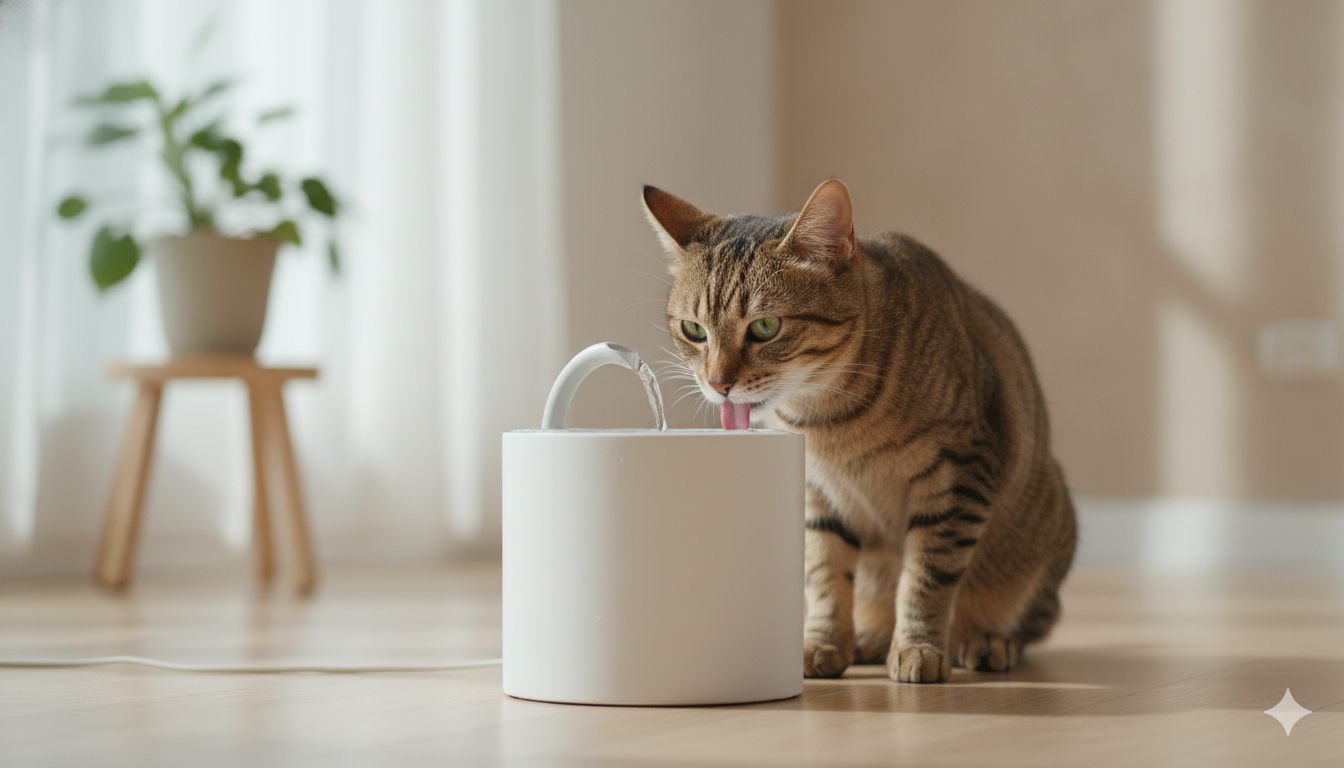
- Adequate water intake: Most effective prevention. Use water fountains, provide wet food, place multiple bowls.
- Proper diet: Recurrent stone cats need prescription diet (pH-adjusted, mineral-restricted).
- Regular urinalysis: Detect crystal formation early.
- Stress management: Provide clean litter box, quiet space, adequate water.
- Weight management: Obese cats have higher risk; maintain healthy weight.
- Regular vet checkups: Especially for cats with recurrent stones, check every 3-6 months.
| Category | Struvite | Calcium Oxalate |
|---|---|---|
| Frequency | Most common | 2nd most common |
| Urine pH | Alkaline (>7) | Acidic (<6.5) |
| Dietary dissolution | Possible (acidifying diet) | Not possible |
| Surgery | May resolve with diet | Usually required |
| Recurrence | Low with diet control | High (>50%) |
Sources & References
- Cornell Feline Health Center - Feline Urinary Disease
- American Veterinary Medical Association - Urinary Disease Management
- PetMD - Feline Urinary Stones Treatment
- International Cat Care - Feline Urinary Health
- ASPCA - Urinary Obstruction Emergency Care
Important Medical Disclaimer
⚠️ Urolithiasis can turn into an emergency quickly. If you notice difficulty urinating, blood in urine, or no urine output at all, get to a vet right away. This article is for information only and doesn't replace professional diagnosis.
Want to learn more about keeping your cat's urinary system healthy? Check out our other health guides.