Feline Lower Urinary Tract Disease (FLUTD) - Symptoms & Prevention
Understand FLUTD symptoms and learn prevention strategies including proper hydration.
What is Feline Lower Urinary Tract Disease (FLUTD)?
FLUTD is an umbrella term for diseases affecting the bladder and urethra. It includes urolithiasis, feline idiopathic cystitis (FIC), bacterial cystitis, and anatomical abnormalities. About 55–65% of FLUTD cases are idiopathic. Male cats face much higher blockage risk due to their narrow urethra — obstruction is a medical emergency.
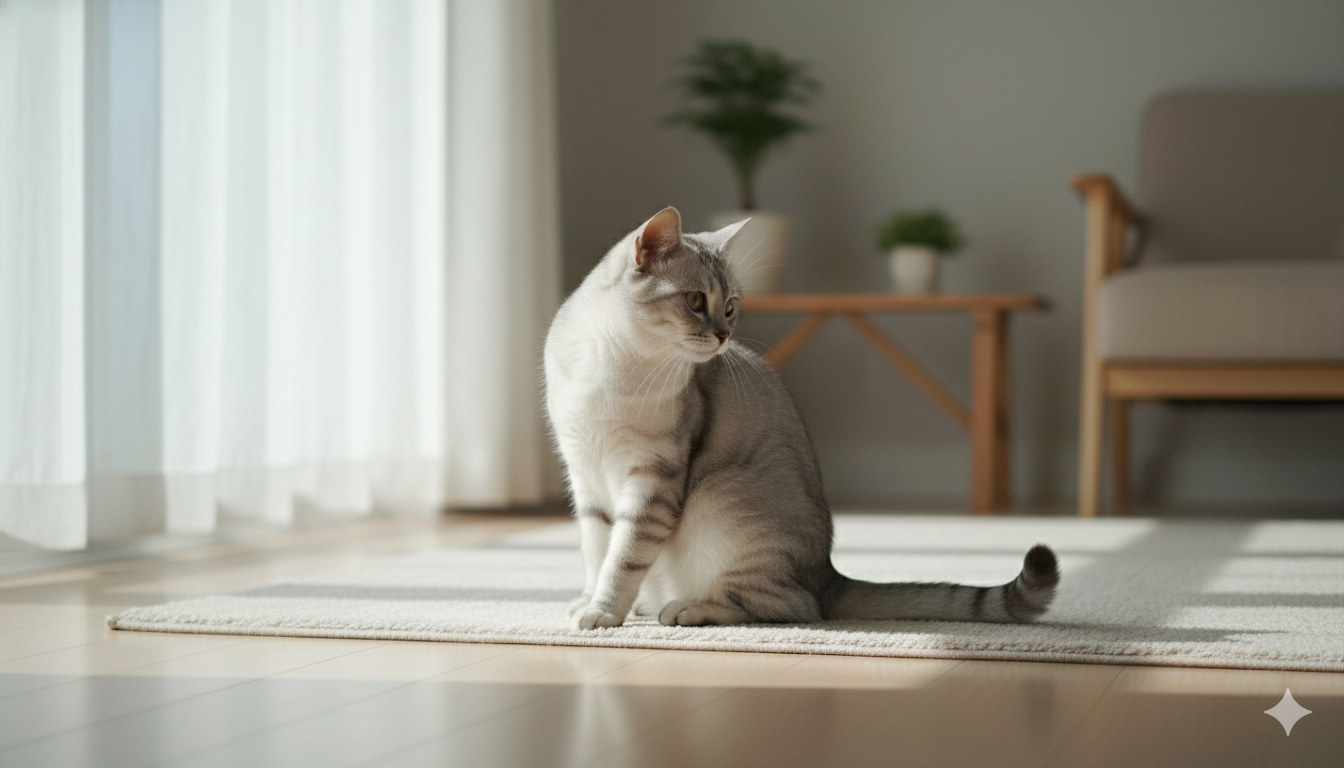
Feline Lower Urinary Tract Disease
FLUTD Causes by Category
| Cause | Frequency | Key Feature | Treatment |
|---|---|---|---|
| Idiopathic cystitis (FIC) | 55–65% | Stress-related | Environmental enrichment |
| Urolithiasis | 15–22% | Crystal or stone formation | Prescription diet, surgery |
| Bacterial cystitis | 1–8% | More common in older cats | Antibiotics |
| Urethral obstruction | Males primarily | Immediate emergency care | Catheterization, hospitalization |
FLUTD Symptoms
- Frequent urination with small amounts
- Straining to urinate
- Blood in urine (hematuria)
- Urinating outside the litter box
- Excessive licking of genitals
- Lethargy and decreased appetite
⚠️ Emergency: Urethral Obstruction
If a male cat cannot urinate at all, cries while straining, or shows vomiting/lethargy — go to an emergency vet immediately. Complete urethral obstruction can be fatal within 24–48 hours.
Diagnosis & Treatment
Urinalysis, ultrasound, X-ray, and bloodwork identify the cause. Treatment varies: diet, antibiotics, fluids, or emergency catheterization. Increasing water intake and reducing stress are most effective for preventing recurrence.
Medical Disclaimer
⚠️ If you notice FLUTD symptoms, see a vet promptly. Inability to urinate is an emergency. This article is for informational purposes only.
Curious about urinary health? Check out our cat water intake guide.