← Back to BlogHealth
Feline Flea Allergy Dermatitis (FAD) Complete Guide - Detection, Prevention Comparison & Indoor Cat Tips
Covers FAD characteristics, flea infestation detection checklist, prevention product comparison, and why indoor cats still need flea control.
Mar 10, 2026
What is Feline Flea Allergy Dermatitis (FAD)?
FAD is one of the most common skin allergies in cats. It's a hypersensitivity reaction to proteins in flea saliva — and it only takes 1 or 2 fleas to trigger intense itching. According to AVMA, symptoms in FAD cats appear within hours of a bite, and can persist for up to 2 weeks even after all fleas are gone.
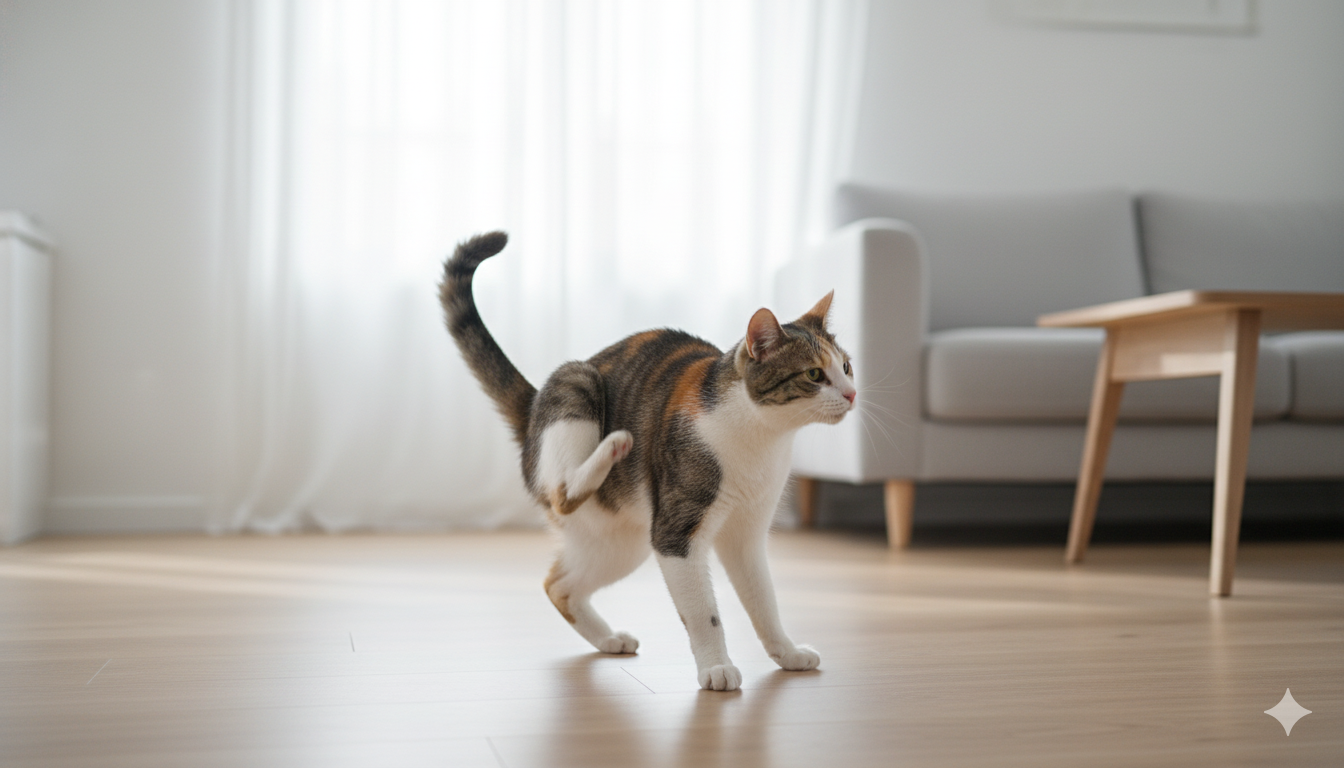
Feline Flea Allergy Dermatitis
FAD vs General Dermatitis
| Item | Flea Allergy Dermatitis (FAD) | General Skin Itching |
|---|---|---|
| Frequency | Intermittent (on flea exposure) | Persistent |
| Location | Tail base, neck, lower back | Full body or belly/armpits |
| Seasonality | Worse spring–fall (flea season) | Not season-related |
| After flea removal | Improves within 1–2 weeks | No change |
Flea Infestation Detection Checklist
- Scratching concentrated at the tail base, under the neck, and along the back
- Comb debris onto white paper — if it turns red when wet, that's flea dirt
- Small red dots on the skin — flea bite marks
- Small black specks on bedding or carpet
- Other pets in the home are also scratching
Flea Prevention Products Compared
| Form | How It Works | Duration | Notes |
|---|---|---|---|
| Spot-on (topical) | Absorbed through skin → systemic effect | 1 month | Most widely used; must use cat-specific product |
| Oral tablet | Kills fleas via blood | 1–3 months (product-dependent) | Some cats resistant to pill administration |
| Collar | Slow-release drug delivery | Up to 8 months | Use products with safety release buckle |
| Environmental spray | Kills fleas and eggs in environment | 1–3 months | Not for direct use on pets — treat environment only |
Why Indoor Cats Can Still Get Fleas
- Brought in on human clothing or shoes — eggs hatch in carpet or floor cracks
- Spread by other pets like dogs in the home
- Living with a cat that goes outdoors
- Flea eggs can be dormant in new bedding or secondhand furniture
- Even shared hallways in apartment buildings can be a source
Home Treatment Checklist
- [ ] Apply vet-prescribed flea prevention right away
- [ ] Wash all bedding and cushions at 60°C or higher
- [ ] Apply environmental spray to carpets and sofas
- [ ] Vacuum all floors and immediately seal and dispose of the bag
- [ ] Treat all other pets in the home at the same time
- [ ] Give vet-prescribed anti-itch medication for relief
- [ ] Check skin wounds for secondary bacterial infection
Skin health is closely linked to weight and nutrition. Check your cat's BMI now.
※ This article is for informational purposes only. Always consult a licensed veterinarian for diagnosis and treatment.