Diabetes in Cats - Symptoms, Management & Insulin Treatment
Manage feline diabetes through proper diet, insulin injections, and blood glucose monitoring.
What is Feline Diabetes?
Feline Diabetes Mellitus is a chronic condition of elevated blood glucose caused by insufficient insulin production or insulin resistance. It closely resembles type 2 diabetes in humans. Obese, older, and male cats are at higher risk. With early diagnosis and intensive management, some cats can achieve remission — normal blood glucose without insulin.
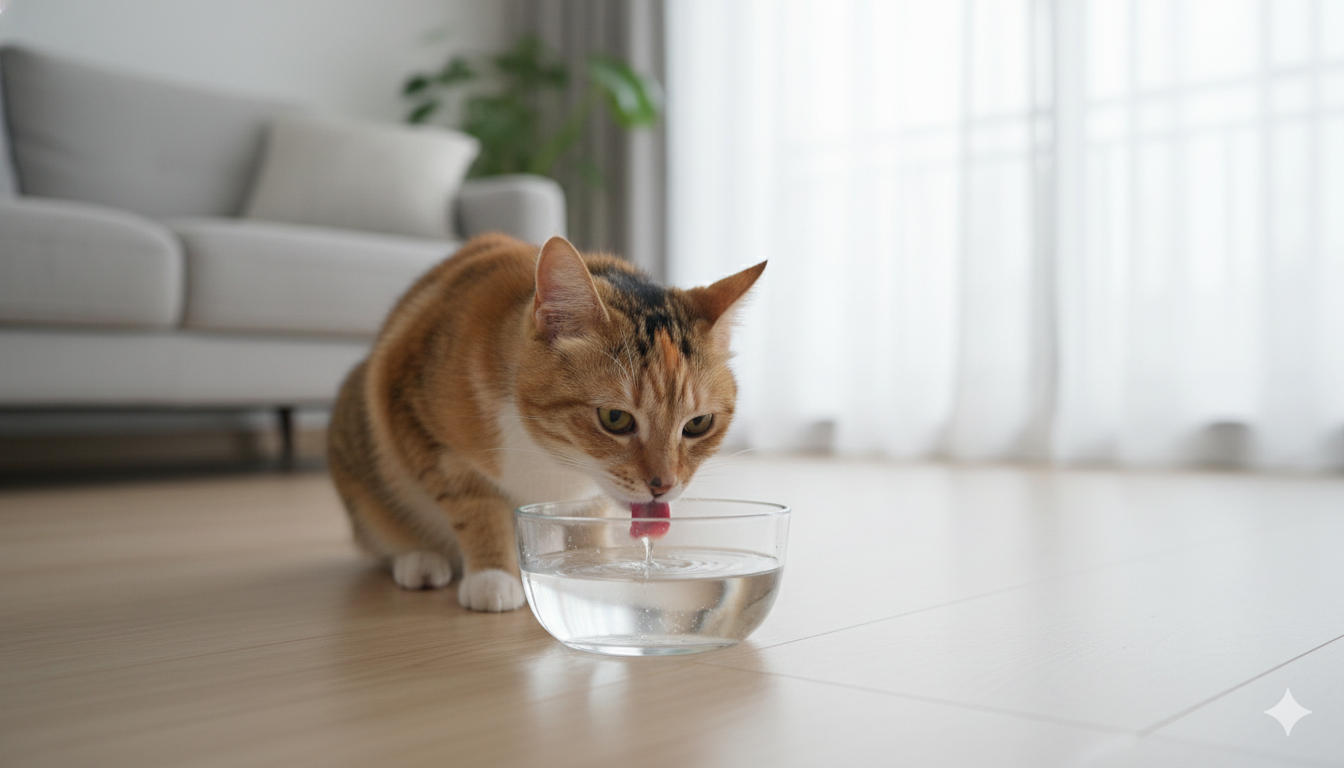
Feline Diabetes Mellitus
Risk Factors for Feline Diabetes
- Obesity: overweight cats develop insulin resistance — the primary risk factor
- Age: incidence increases in cats over 8 years
- Neutered male cats: approximately 2× higher incidence than females
- Chronic steroid use: long-term prednisolone can induce diabetes
- Physical inactivity: indoor cats with low activity levels are at increased risk
Diabetes Symptoms
- Excessive drinking and urination: high blood glucose causes glucose in urine, triggering osmotic diuresis
- Increased appetite: cells cannot use glucose, so the brain continuously signals hunger
- Weight loss: body breaks down muscle and fat for energy instead of glucose
- Hind limb weakness (diabetic neuropathy): peripheral nerve damage causes a plantigrade stance (walking on heels)
- Lethargy and poor coat condition: overall deterioration in health
Diagnosis
Blood work confirms fasting glucose >250 mg/dL persistently; urinalysis measures glucosuria and ketones. Fructosamine testing (reflects 2–3 week average glucose) distinguishes true diabetes from stress hyperglycemia. Diabetic ketoacidosis (DKA) requires emergency hospitalization.
Insulin Therapy
- Twice-daily insulin injections: glargine or PZI insulin are commonly used for feline diabetes
- Home glucose monitoring: small blood sample from ear or paw pad; essential for insulin dose adjustment
- Hypoglycemia emergency: if glucose drops below 60 mg/dL, apply honey or syrup to gums and contact vet immediately
- Remission goal: intensive management within 6 months of diagnosis achieves remission in ~25–50% of cats
Diet and Lifestyle Management
- Low-carb, high-protein diet: wet food with <10% carbohydrate and >40% protein improves glucose control
- Weight loss (obese cats): appropriate weight reduction significantly improves insulin sensitivity
- Regular meal timing: coordinate insulin injections with feeding; consistent glucose patterns aid management
- Increase physical activity: indoor play sessions enhance insulin sensitivity
| Parameter | Target Range | Monitoring Frequency |
|---|---|---|
| Blood glucose | 80–250 mg/dL | 1–2 times/day at home |
| Fructosamine | <350 μmol/L | Every 4–8 weeks at vet |
| Body weight | Stable maintenance | Weekly |
| Water intake | Below weight(kg) × 60ml | Daily observation |
Sources & References
- Cornell Feline Health Center - Diabetes Management
- AAFP - Feline Diabetes Guidelines
※ This article is for informational purposes only. Consult a veterinarian for diagnosis and treatment.