Cystitis in Cats - Symptoms, Treatment & Recurrence Prevention
Learn how to treat feline cystitis and prevent recurring infections.
What is Feline Cystitis?
Feline cystitis is inflammation of the bladder lining. It can be bacterial (infection) or idiopathic (FIC, unknown cause). Unlike dogs, cats more commonly develop idiopathic cystitis — often triggered by stress. Recurrence is very common, making long-term management essential.
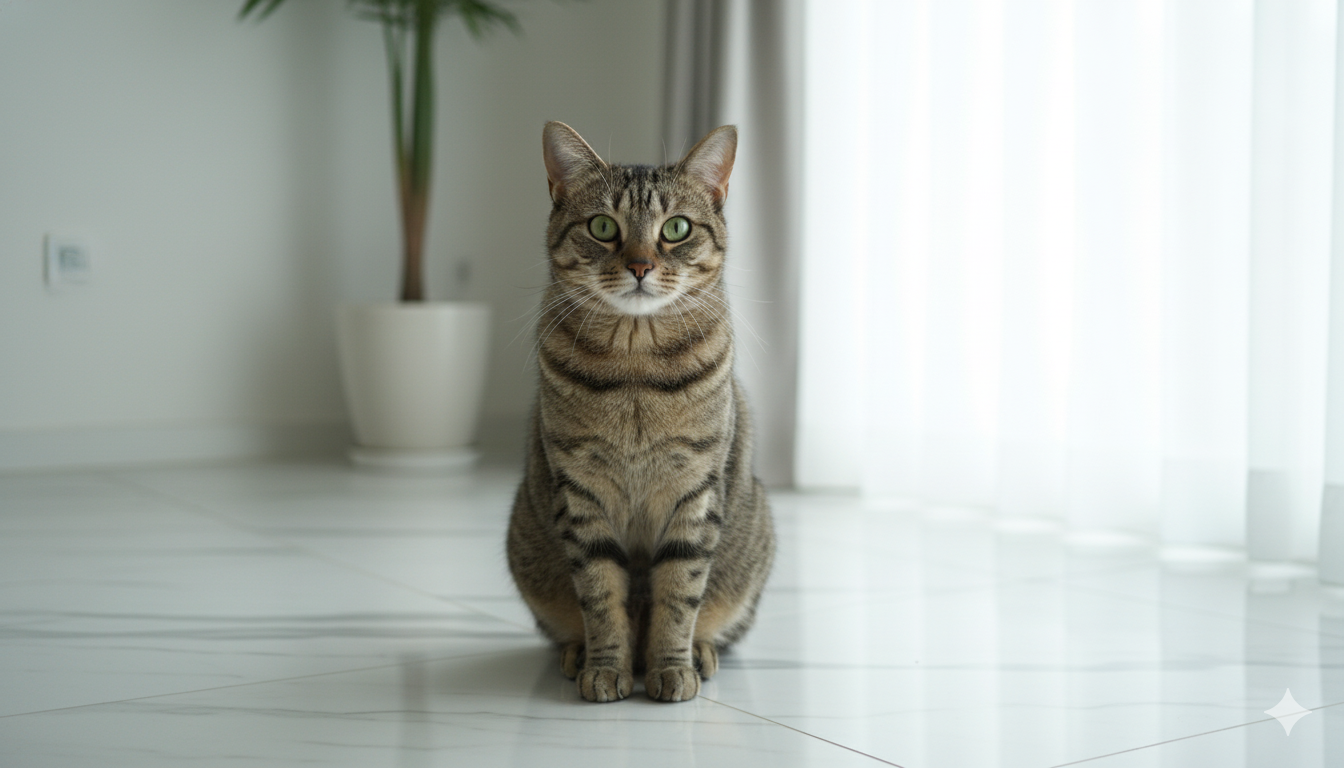
Feline Cystitis
Bacterial vs Idiopathic Cystitis
| Category | Bacterial Cystitis | Idiopathic (FIC) |
|---|---|---|
| Frequency | 1–8% of FLUTD | 55–65% of FLUTD |
| Main cause | E. coli and other bacteria | Stress, environmental changes |
| Age | More common in older cats (10+) | Middle-aged cats (2–7 years) |
| Treatment | Antibiotics (based on culture) | Stress management, enrichment |
| Recurrence | Low with proper treatment | High (recurs with stress) |
Cystitis Symptoms
- Frequent urination with small output
- Straining or crying while urinating
- Blood in urine (pink or red)
- Urinating outside the litter box
- Excessive licking of genitals
- Lethargy and decreased appetite
Diagnosis
Urinalysis checks bacteria, crystals, blood, and white cells. Culture identifies the specific bacteria to guide antibiotic selection. Ultrasound checks bladder wall thickness and stones. FIC is diagnosed by excluding other causes.
Treatment
- Bacterial: Antibiotics for 10–14 days based on culture results
- FIC: Antibiotics don't help. Stress management and environmental enrichment are key
- Pain relief: prescribed to manage discomfort
- Increase water intake: wet food and water fountains dilute urine
- Stress management: hiding spots, routine, pheromone diffusers
Recurrence Prevention
- Regular urinalysis (every 6–12 months)
- Maintain hydration: 50%+ wet food recommended
- Clean litter boxes: number = cats + 1
- Environmental enrichment: vertical space, toys, window access
- Consistent routine: sudden changes can trigger FIC
Medical Disclaimer
⚠️ Don't self-diagnose if you notice cystitis symptoms — see a vet. Treatment differs completely depending on whether it's bacterial or idiopathic. This article is for informational purposes only.
Want to learn more about urinary health? Read our FLUTD guide.